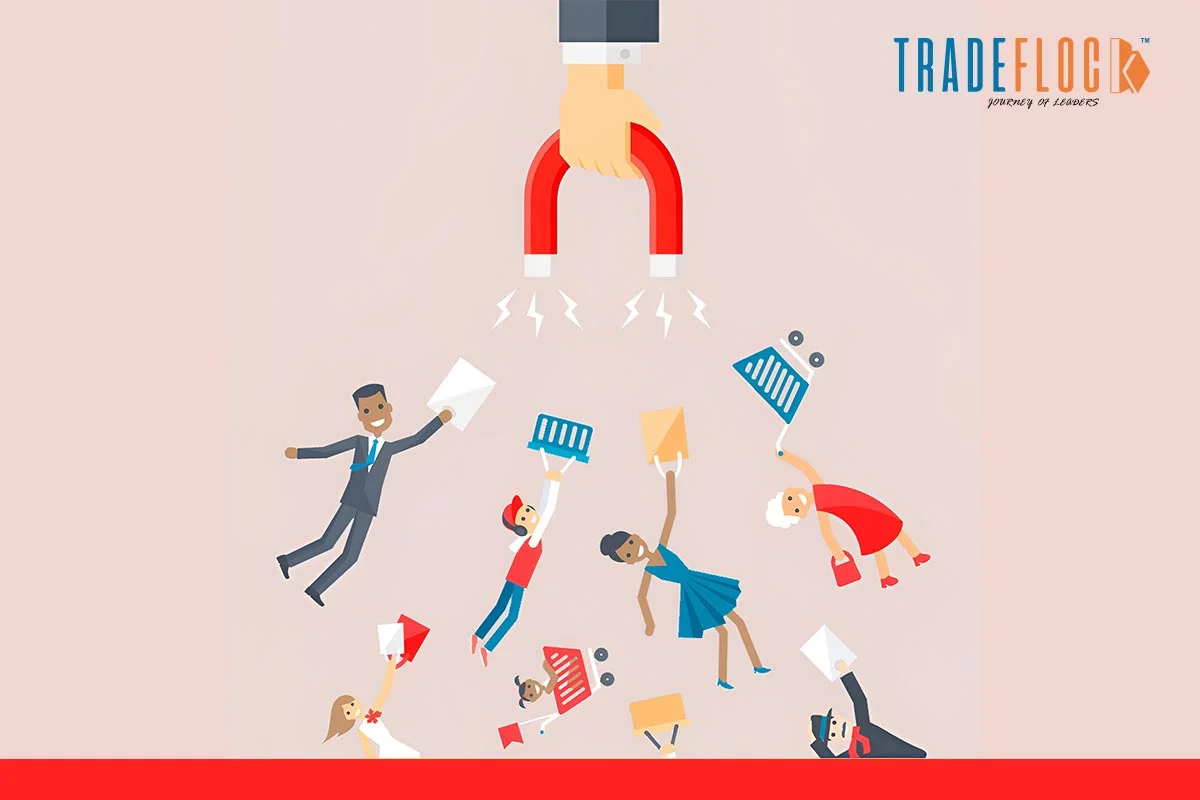
Remember the days when buying a pair of Nikes meant you were a Nike customer for life? Or when driving a Ford was practically a family tradition? Those days are fading fast. Today’s customers are less loyal to brands than ever, opting for wherever offers the best deal, convenience, or immediate gratification. According to a 2023 McKinsey report, nearly 75% of U.S. consumers have switched brands in the past year due to price, product availability, or better value elsewhere. This shift has left even powerhouse brands scrambling to maintain long-term customer relationships in an economy where loyalty is no longer guaranteed.
Discount Over Deviation
Retail giants like Walmart, Amazon and Target have conditioned shoppers to prioritize price and speed over brand connection. With the explosion of discount culture, loyalty programs and comparison shopping apps, customers now expect deep discounts and lightning fast; otherwise, they are gone. A 2024 survey by PwC found that 63% of consumers choose retailers based purely on price, even if they previously had brand loyalty. In a world where a quick Google search can reveal a dozen alternatives, brand names alone no longer hold the weight they once did.
The Trust Factor: A Double-Edged Sword
Consumers today are also more skeptical. Social media and online reviews have made brand reputations highly fragile. A single controversy, poor customer service experience, or data breach can send even the most loyal customers running. Take Bud Light’s 2023 brand crisis, where backlash over a marketing campaign led to a sharp decline in sales. Or consider Southwest Airlines, which lost significant customer goodwill after a massive holiday season meltdown left thousands stranded. In both cases, decades of brand loyalty unraveled almost overnight.
What Can Brands Do?
The days of blind allegiance to brands may be over, but companies that evolve can still cultivate strong customer relationships. Instead of relying on name recognition alone, successful brands are now focusing on personalization, values-based marketing and exceptional service. Apple, for example, still commands fierce loyalty—not just because of its products but because of its ecosystem, customer service, and brand identity. Similarly, brands like Patagonia and Tesla have cultivated communities around their values, keeping customers engaged beyond just transactions.
Loyalty Isn’t Dead—It’s Just Different
Consumers haven’t stopped being loyal; they’ve just changed what they’re loyal to. Instead of sticking with a brand out of habit, they demand real value, exceptional experiences, and alignment with their beliefs. The challenge for brands? Prove to customers that they’re worth more than the lowest price tag.