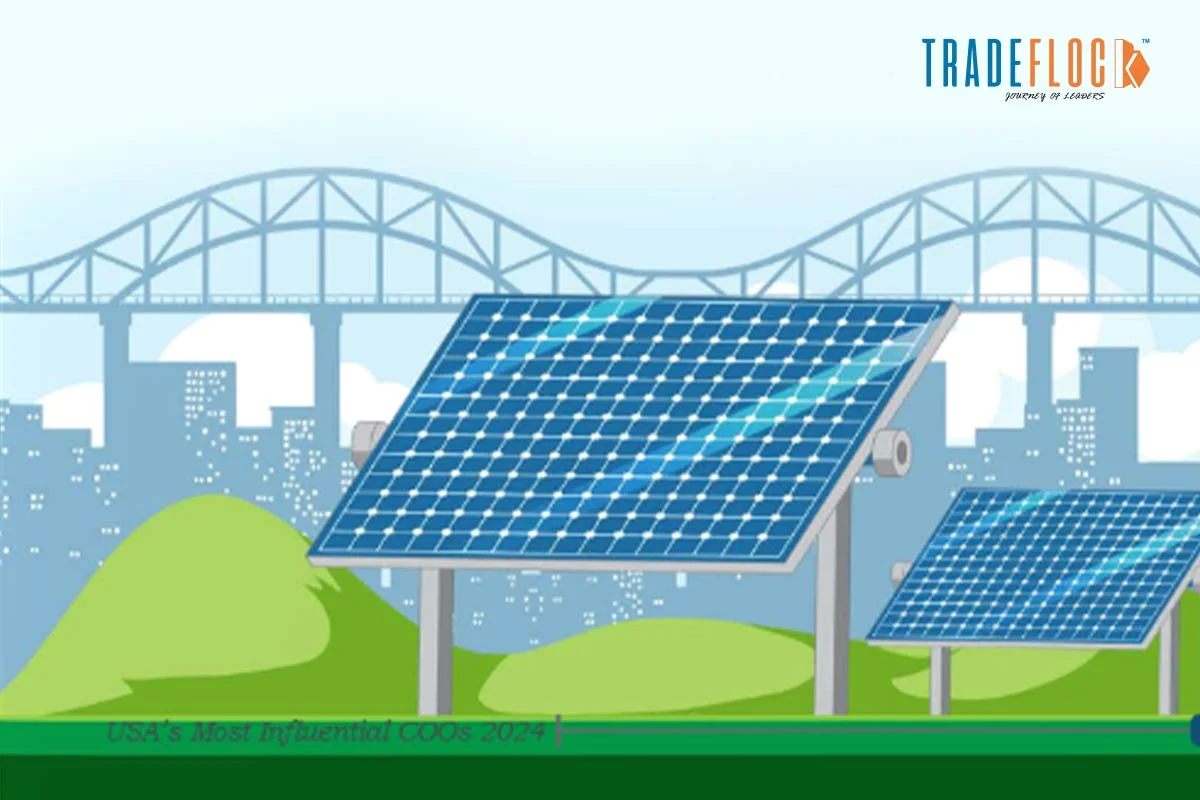
In 1954, scientists at Bell Laboratories developed the first practical silicon solar cell in New Jersey, United States, while exploring ways to use silicon to harness solar energy. This gave the USA a headstart in the renewable energy race. In 2010, Central Michigan led the world in solar polysilicon production. However, it was not long before America lost its hegemony to China.
Today, the US plays a minor role, with over 90% of production now based in China. On May 14, President Joe Biden highlighted that China’s clean-technology exports pose a significant threat to American workers, businesses, and communities, leading to the imposition of 50% tariffs on Chinese solar cells.
Tragedy Of Errors
Washington might blame China for “unfair trade practices” and its dominance in the solar industry. But all these blames are nothing more than comforting myths. America lost its hegemony because of a series of errors, including myopic corporate leadership, timid financing, and other factors that allowed it to sideline its clean tech industries.
On the other hand, China aggressively tried to establish itself as the global leader in solar power. Between 2001 and 2013, the Chinese government invested billions in solar manufacturing, with subsidies that covered land, factory costs, and research, significantly reducing production costs for Chinese solar companies. By 2020, China produced 80% of the world’s solar panels, and by 2022, its market share increased to over 85%, while the U.S. held less than 5% of global production.
According to the International Energy Agency, China’s continued growth in renewable technology is remarkable. In 2023, China installed as much solar PV capacity as the world did in 2022, and its wind energy installations increased by 66% compared to the previous year. Moreover, in the last five years, China has added 11 GW of nuclear power, the largest in the world. China’s dominance in solar power production and other renewable energy has implications beyond economics. It puts the country in a strong position to shape global renewable energy policies and limits the energy independence of other nations reliant on Chinese solar imports.