In a move that could reshape the global tech supply chain, U.S. President Donald Trump announced on Sunday that he would unveil new tariff rates on imported semiconductors in the coming week. While the details remain under wraps, Trump emphasized that some flexibility will be shown to select companies depending on their strategic importance and contributions to the U.S. economy.
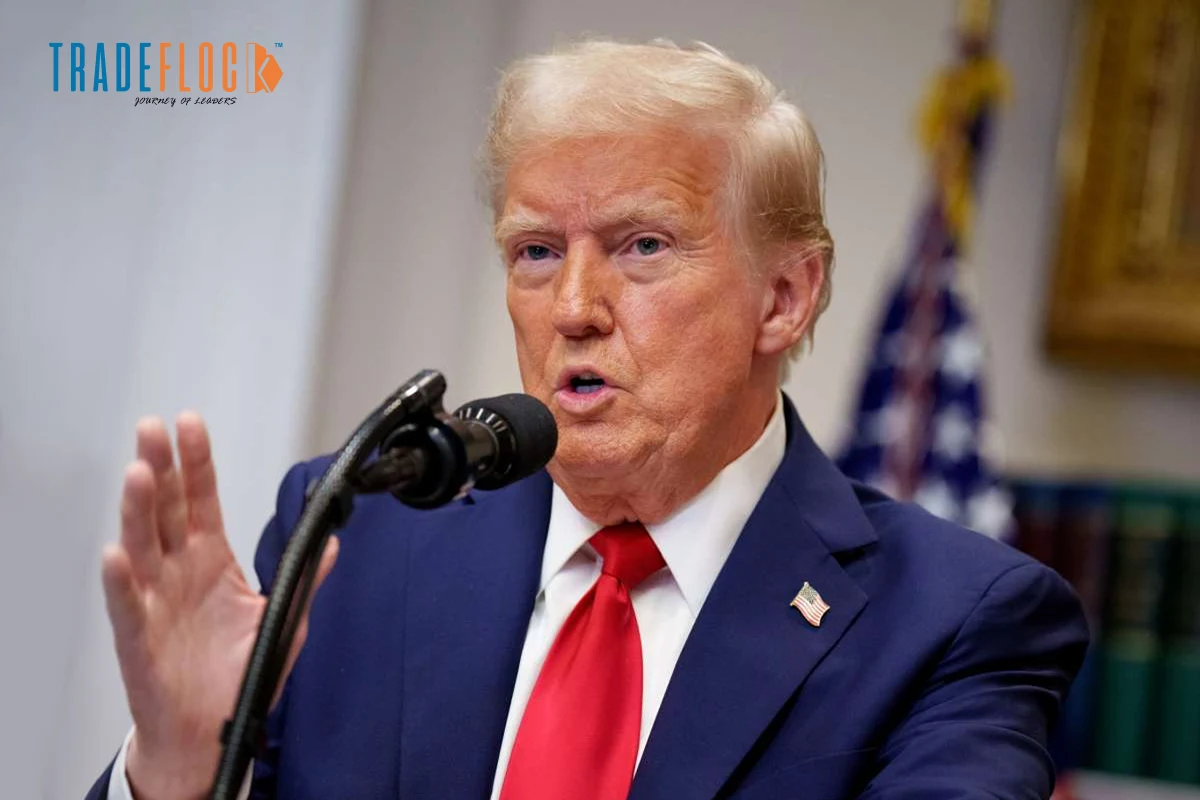
Speaking to reporters aboard Air Force One, Trump made his intent clear: the U.S. wants to reduce dependence on foreign-made chips and bolster domestic semiconductor manufacturing.
“We want to make our chips and semiconductors in our own country,” Trump stated while flying back to Washington from his estate in West Palm Beach. “You can’t be rigid. Flexibility is key.”
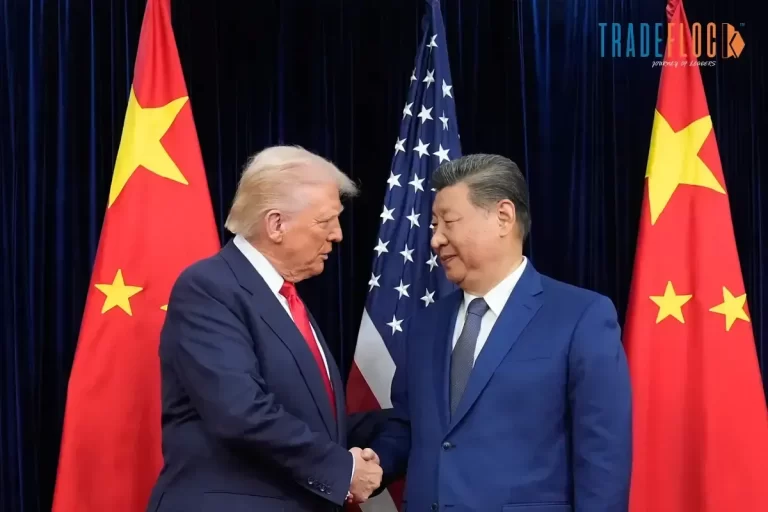
Although smartphones and laptops were previously excluded from U.S.-China reciprocal tariffs, that exclusion may not last much longer as part of a broader effort to “reset” the trade relationship and secure America’s technology supply chains.
To further underline the importance of the issue, the President also launched a national security investigation into the entire electronics and semiconductor supply chain. On social media, Trump confirmed:
“We are taking a look at Semiconductors and the WHOLE ELECTRONICS SUPPLY CHAIN in the upcoming National Security Tariff Investigations.”
Meanwhile, Commerce Secretary Howard Lutnick clarified that new duties will soon be imposed on critical tech products from China—separate from existing tariffs—and these will be rolled out within the next two months.
This development is sending shockwaves across the tech industry, reigniting concerns over rising costs, potential supply disruptions, and increased consumer prices for essential electronics.