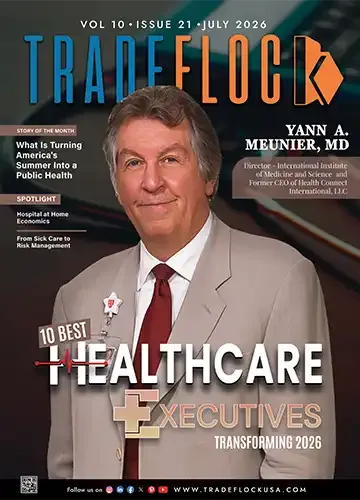
Your work on Irinotecan changed cancer treatment globally. What made that breakthrough the defining milestone of your career?
I’ve been fortunate to spend more than three decades in oncology, caring for patients, conducting clinical research and helping develop new therapies. Every stage has been rewarding, but if I had to identify one defining milestone, it would be the early clinical development of Irinotecan.
When Professor Jean-Pierre Armand first asked whether I’d be interested in leading its Phase 1 development, the drug had largely been set aside because of severe diarrhoea. Rather than seeing a failed compound, I saw an unanswered clinical question. As the study progressed, we recognised an acute cholinergic syndrome during infusion and successfully managed it with atropine. We later developed an intensive loperamide strategy to control delayed-onset diarrhoea, allowing the programme to proceed safely.
Watching Irinotecan evolve from an uncertain Phase 1 study into a global standard of care for metastatic colorectal cancer remains deeply satisfying. It reminded me that breakthroughs rarely happen because science is easy. They happen because teams refuse to give up when the science becomes difficult.
Cancer research is entering a new era. Which advances do you believe will most transform patient outcomes?
We’re living through one of the most exciting periods oncology has ever experienced because progress is happening across several fronts at once. Immunotherapy has fundamentally changed diseases such as advanced melanoma, producing durable responses that once seemed impossible. Small molecules have transformed the treatment of conditions like chronic myeloid leukaemia, while targeted therapies continue to expand treatment options across many tumour types.
CAR-T cell therapy, antibody-drug conjugates, therapeutic vaccines and gene therapies are opening entirely new possibilities for patients who previously had very limited options. Each platform addresses cancer differently, and together they’re reshaping how we approach treatment.
I believe the future won’t be defined by a single breakthrough. It will come from combining scientific innovation with rigorous clinical research, so that more cancers become manageable chronic diseases and, whenever possible, curable.
Looking ahead, what continues to excite you, and what legacy do you hope to leave behind?
Medicine has never been just a profession for me. It has been a lifelong passion, and oncology has given me the privilege of contributing to one of medicine’s most challenging fields. Even after all these years, I still find science endlessly fascinating because every discovery opens the door to another question.
I’m continuing my work in drug development and clinical research, while also writing my fourth book on the foundations of cancer science. Sharing knowledge has become just as meaningful as generating it.
If there’s one legacy I’d like to leave behind, it isn’t attached to a particular drug or publication. I hope people remember someone who approached science with discipline, curiosity and respect for every patient. Oncology will continue to evolve, but the responsibility to keep learning never changes.
Early-stage oncology research is filled with uncertainty. What has kept you motivated through the setbacks?
Uncertainty has always been part of oncology, and I believe that’s exactly what makes the field so fascinating. Every investigational therapy begins with more questions than answers. Occasionally, one changes the way we think about a disease, and those moments make every challenge worthwhile.
Research has evolved enormously during my career. Early-phase studies once focused primarily on pharmacokinetics and identifying the maximum tolerated dose. Today, precision medicine, molecular biology and adaptive trial designs allow us to understand efficacy much earlier and define the optimal biological dose rather than simply the highest tolerable one.
Despite those advances, my motivation hasn’t changed. Cancer remains one of medicine’s greatest scientific challenges, demanding continuous learning and constant curiosity. Every study adds another piece to a much larger puzzle, but the purpose always remains the same: treat the patient, not just the disease.
After decades in oncology and drug development, what advice would you give the next generation of researchers?
Everything begins with the patient. Young researchers are often eager to move into laboratories or clinical trials, but I believe the strongest foundation is built through medicine itself. A solid background in internal medicine and oncology teaches clinical judgement, discipline and, most importantly, an understanding of the people we ultimately serve.
From there, I encourage young physicians to immerse themselves in molecular biology, pharmacology and translational research. Oncology advances when scientific discovery and patient care move together, not separately. I also encourage them to train in the best possible institutions because great mentors and strong academic environments challenge your thinking in ways textbooks never can. Knowledge is essential, but it should always be accompanied by humility, curiosity and compassion. Oncology is both a science and an art, and neither should ever exist without the other.