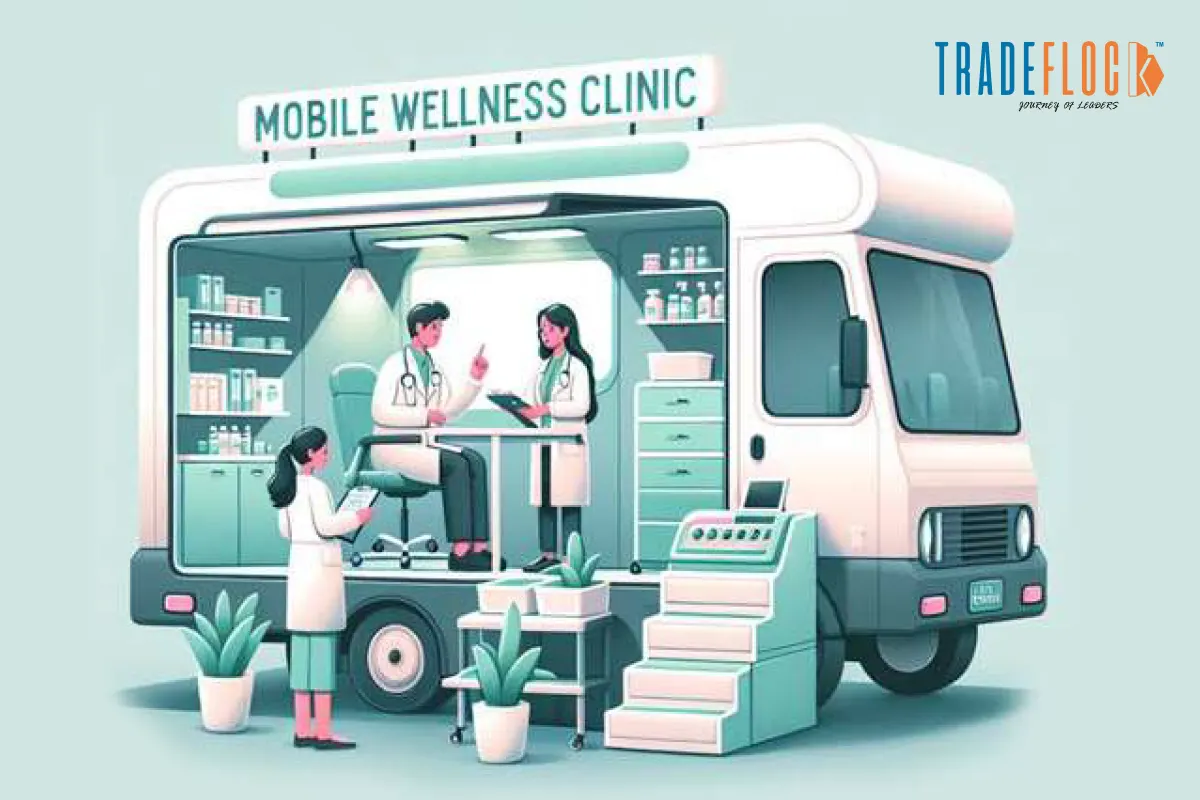
The rising number of chronic diseases is burdening healthcare systems worldwide, already sparking a silent revolution in both rural and urban areas. Mobile care caravans are changing how chronic conditions are managed by providing diagnostics, telemedicine, and long-term care directly to patients’ homes. These mobile models show that the future of healthcare can be less about physical locations and more about being flexible, mobile, and continuous.
Healthcare on Wheels, Data in Motion
These non-acute nomads represent a new level of care provision. Care caravans, equipped with IoT devices, portable laboratories, and AI-based monitoring systems, enable medical teams to treat conditions like diabetes, high blood pressure, and COPD in real time. A report by the World Health Organization shows that mobile medical units have already increased access to preventive care by 30 to 40 percent in underserved areas of Asia and Africa. For chronic patients, this ongoing care reduces hospital readmissions and improves adherence to treatment.
From Episodic Treatment to Continuous Care
The conventional healthcare system tends to be episodic, while the mobile model is more continuous. Patients receive in-place diagnostics, safely share information via cloud databases, and communicate with professionals remotely. According to a recent study conducted by Deloitte Health Insights, mobile chronic-care programs achieved a 25 percent reduction in cost per patient and delivered results comparable to hospital-based programs. This shift turns reactive care into proactive care driven by mobility and data, prompting a redesign of health systems.
Partnerships Driving the Movement
The growth of care caravans is driven by collaboration between the public and private sectors. In India, mobile clinics are linked to national health records through pilot projects under the Ayushman Bharat Digital Mission. In Kenya and Indonesia, NGOs work together with telecom companies to offer real-time telehealth services. These efforts show that a model with minimal infrastructure but high intelligence can succeed even in resource-limited settings.
Reimagining the Care Continuum
Mobility can be the most scalable solution in medicine as chronic disease becomes the leading health challenge facing the world today. Mobile care caravans redefine healthcare ecosystems, both in responding to emergencies and in lifelong management by combining digital innovation with human touch. The next stage of health equity cannot be found in a hospital street but in a linked caravan parked just outside the city, where care is delivered to the patient rather than the other way.