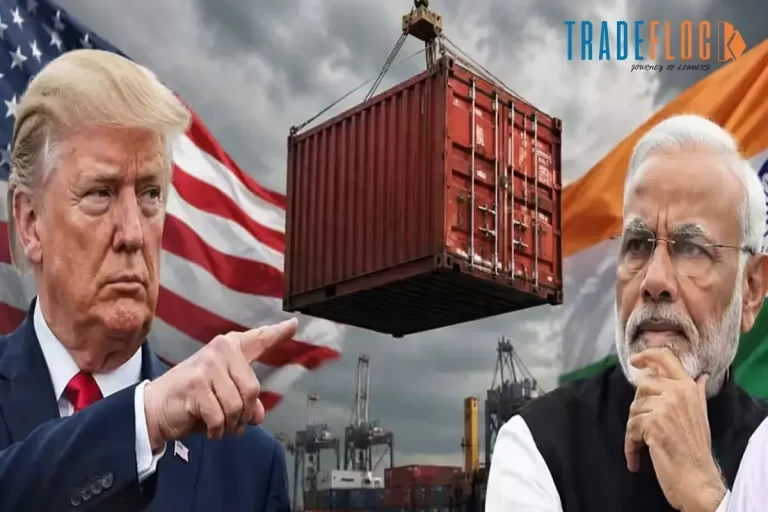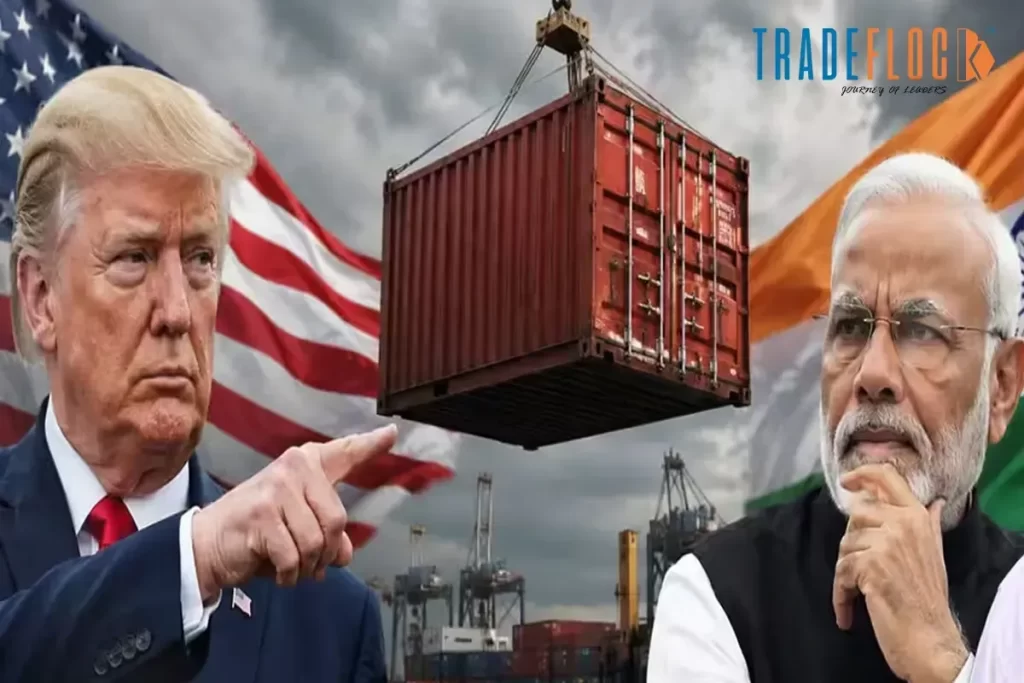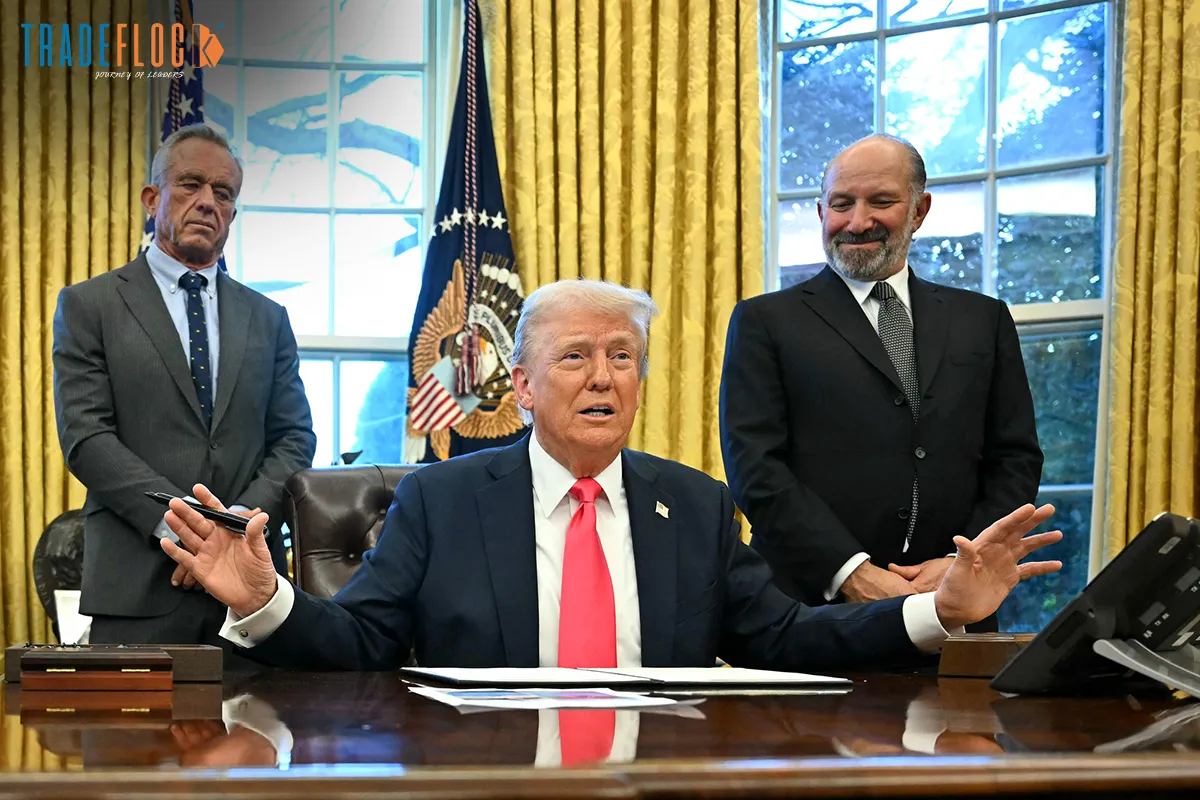
President Trump declared a 50% tariff on copper to promote U.S. copper production vital for electric vehicles, the military, and consumer products. The announcement led to U.S. copper futures rising more than 12%, reaching a record high, and the increase was faster and greater than anticipated.
Trump said he would announce the tariff later that day but did not specify when it would start. Commerce Secretary Lutnick mentioned that tariffs might be imposed by late July or August 1, with details to be shared on Trump’s Truth Social.
Also Read: Donald Trump Sends Trade Warning to BRICS Countries in Response to US Trade Threat
An investigation into U.S. copper imports, begun in February via Section 232, was reportedly complete. The goal is to bring copper production back to the U.S. to support industry. Opposing groups, like the National Mining Association and the American Critical Minerals Association, awaited details.
The U.S. imports roughly half of its annual copper needs, with significant projects encountering opposition. Shares of Freeport-McMoRan increased nearly 5% as the company emphasized the importance of expanding U.S. production. In 2024, Chile, Canada, and Mexico remain the leading suppliers and oppose tariffs, arguing there is no threat to U.S. interests because of existing free trade agreements. Requests for comments from Mexico, Chile, and Canada went unanswered, while Codelco chose not to comment.
A 50% tariff could harm U.S. companies, as U.S. demand has been imported over recent months, potentially causing a copper price correction.