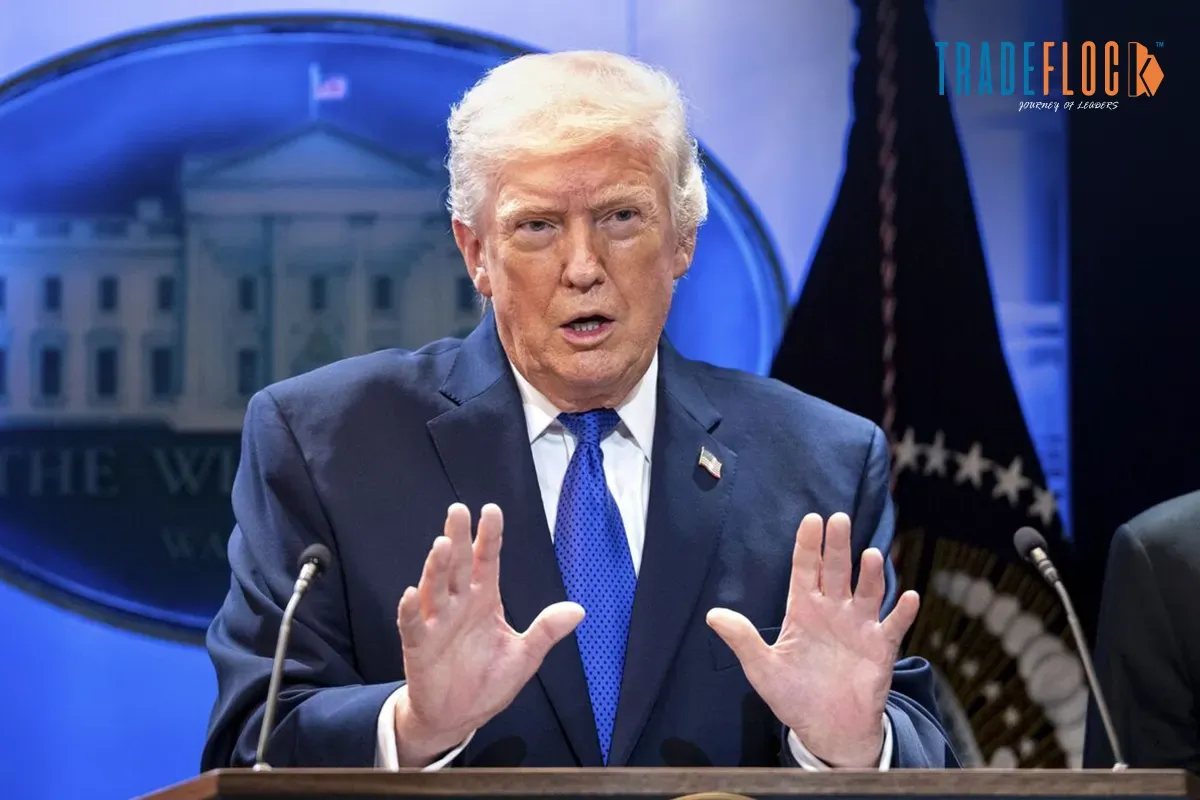
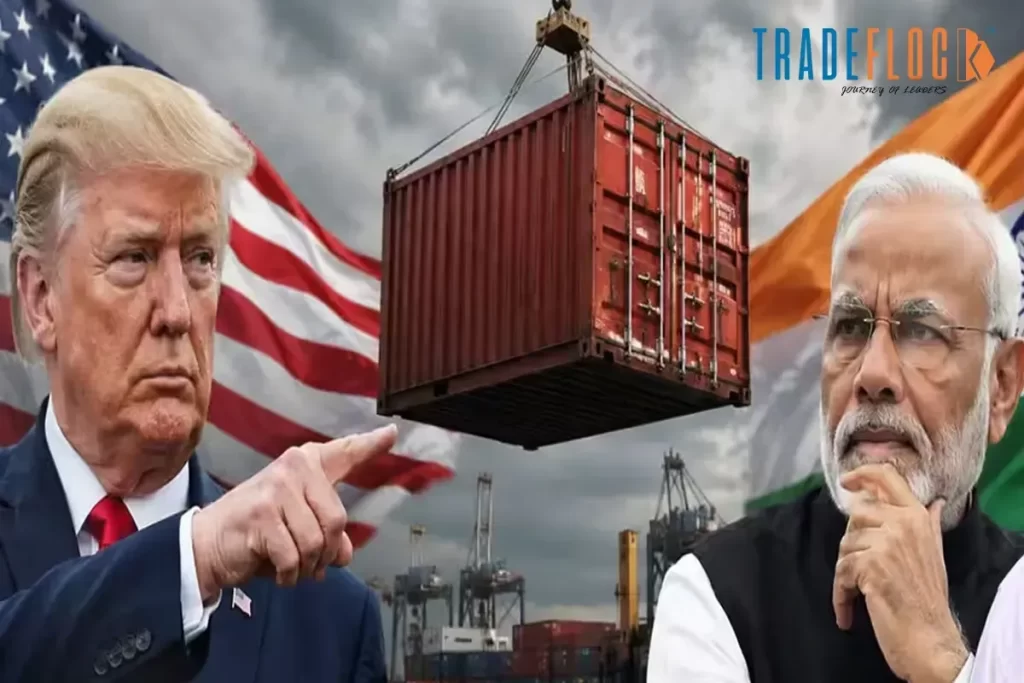
Donald Trump, President of the United States, imposed tariffs on imported goods from other countries to increase exports. The idea behind this decision is to make foreign goods more expensive so that people purchase American products, thereby driving US exports.
This significant policy change is negatively impacting manufacturing companies, including Allen Engineering Corp., which relies on imported steel and engines. Due to the tariffs imposed during Trump’s administration, these goods have become more expensive. As a result, companies may face operational challenges, potentially leading to losses in 2025. Also, a deduction in the workforce while increasing the prices of goods, which eventually decreases sales.
Many companies are pressured to pay more for materials like steel and machine parts because their businesses rely heavily on them, resulting in a huge decrease in employment, with around 98,000 jobs lost in one year. The US government keeps changing tariff rules, making it difficult to invest more money in businesses.
Donald Trump asserts that his tariff policy will lead to the return of factories to the United States. However, experts indicate that there has not been a significant improvement in manufacturing to date. While some new buildings are being constructed, these developments are attributable to Joe Biden’s previous policies rather than to the impact of Trump’s tariffs.
Construction equipment manufacturers are struggling heavily as steel tariffs have risen upto 50 per cent, making steel more expensive even within the US.
Also read: Trump Summit Delay Clouds US-China Trade Truce Outlook
Overall, Donald Trump’s tariff policy aims to compete with China. However, the US trade deficit worsened after the tariffs were implemented. Despite this, China’s exports remain strong.