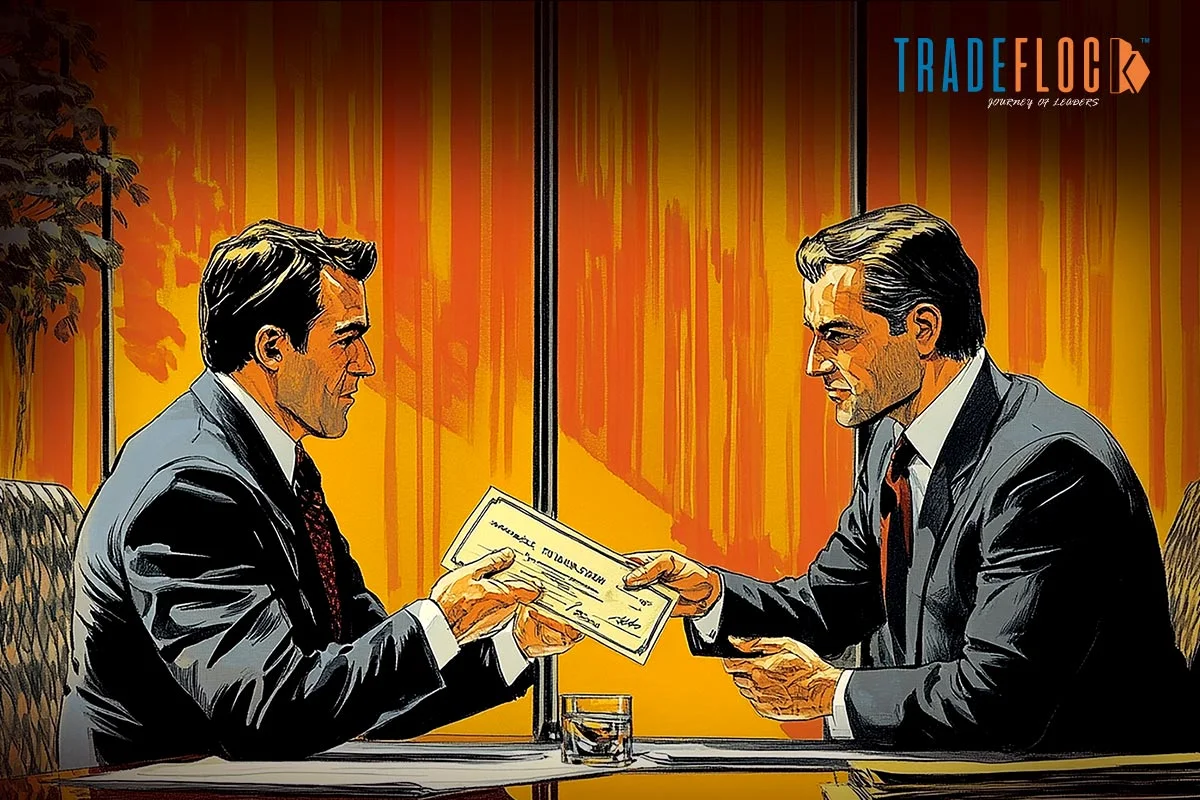
When most people think of bartering, they picture an old-world marketplace where traders swap livestock for grain or gold for spices. But in today’s corporate world, bartering has evolved into a sophisticated, strategic practice where companies exchange goods and services without ever exchanging cash.
From media companies trading ad space for hotel accommodations to airlines exchanging flight seats for maintenance services, corporate bartering has become a billion-dollar industry operating largely behind the scenes. In fact, the International Reciprocal Trade Association (IRTA) estimates that corporate barter transactions in the U.S. alone exceed $12 billion annually.
A Game of Strategic Swaps
Unlike cash transactions, corporate bartering relies on perceived value rather than market price. A company with excess inventory, unused services, or even underutilized real estate can trade these assets for something of equal value -often facilitated by specialized barter exchange.
For example, a luxury hotel chain with empty rooms might barter with an airline, offering accommodations for airline staff in exchange for airline tickets for their executives. Similarly, a television network might trade advertising time with a tech company looking to boost its brand visibility.
Corporate barter networks like Tradebank, IMS Barter, and Barter Business Unlimited act as intermediaries, helping businesses navigate complex trades without the need for direct one-to-one exchanges. These networks assign trade credits, allowing companies to barter with multiple partners while keeping transactions fair.
What Do Cashless Transactions Mean?
Bartering isn’t just for small businesses looking to cut costs—it plays a massive role in industries like media, aviation, hospitality, and manufacturing. Bartering offers companies a way to maximize resources, reduce waste, and acquire valuable services without depleting cash reserves. However, it also comes with challenges like complexity of determining fair value and taxation under IRS regulations.
A Digital Revolution
With the rise of blockchain and digital trade platforms, bartering is becoming more efficient and transparent. Companies are leveraging AI and smart contracts to match trade opportunities seamlessly, reducing the friction that once made bartering difficult to scale. As businesses continue looking for creative ways to cut costs and stay competitive, corporate bartering may become an even more significant part of the modern economy. The question isn’t whether businesses will barter—it’s how far this secret world of trade can go.