Which turning point shaped your vision for AdiLabs?
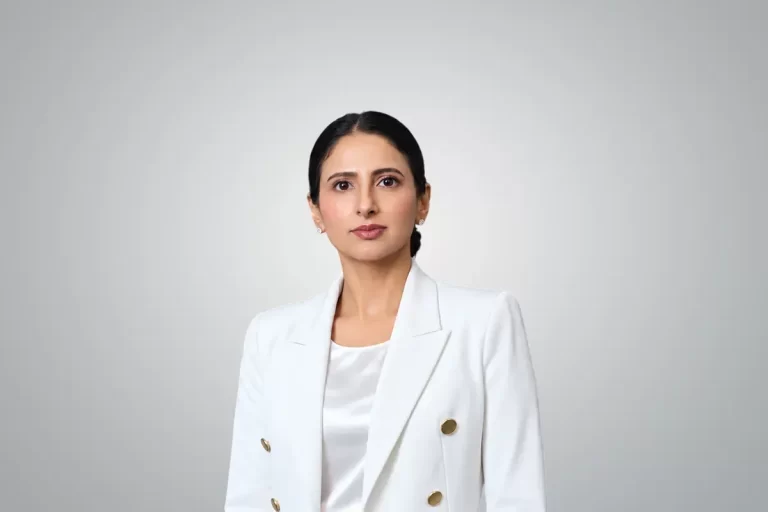
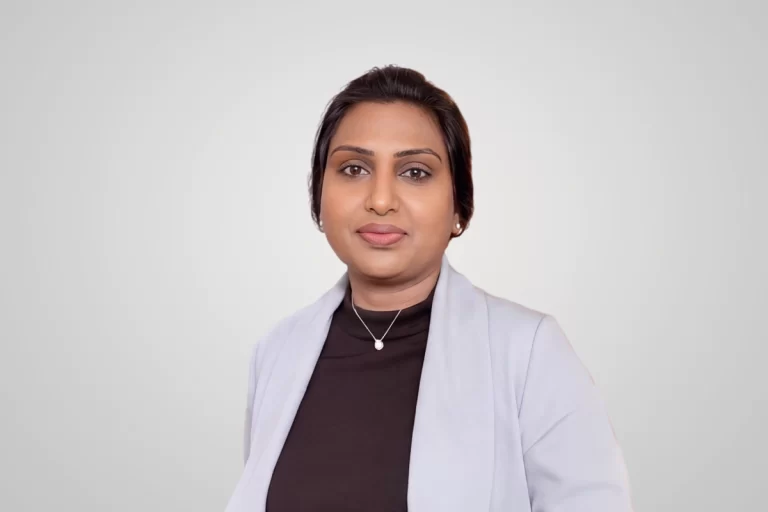
When you spend two decades working in a field, you begin to understand its possibilities and limitations. For twenty years, I built AI technologies and data solutions to help businesses solve complex problems across industries. I never imagined this experience would become so personal.
In 2023, my son, Adi, was diagnosed with a rare condition. I became a mother searching for answers, navigating uncertainty and learning how deeply time matters. The possibility of gene therapy, costing $3.2 million, brought hope, but raised another question: what happens to families still waiting, or unable to access treatment?
This became the beginning of AdiLabs. The same skills I had used to make enterprises smarter now had a far more urgent purpose: helping families and clinicians see what matters, sooner. I believe precision medicine is the future of healthcare, and we aim to connect patients, clinicians and researchers so insights can guide care and treatments can reach patients faster. I am building what I wished existed for my family, and making it available to every family that needs it.
How can AI leaders widen access to technology careers?
A student’s potential is not always reflected in formal qualifications. Curiosity, persistence and lived experience can reveal strengths that traditional credentials overlook, yet underrepresented students may lack opportunities to demonstrate their abilities.
Organisations can help by providing access to tools, paid learning experiences, committed mentors, and real projects where students can contribute before they have a perfect résumé. I encourage young people to start with a problem they care about and learn the technology that can help solve it. Purpose makes learning personal. My own journey has taught me that expertise can take on new meaning when life changes. I want more young people to discover their strengths and begin without waiting for permission.
How can AI and data improve the rare disease journey?
When a family navigates a rare condition, important details often emerge between medical appointments. Parents may notice changes in a child’s energy, mobility or daily activities, yet these observations can remain disconnected from medical records, test results and research updates. Families must piece everything together while caring for someone they love. No parent should have to be in the database.
At AdiLabs, we are building a continuous, connected record of each patient’s journey, bringing clinical data, test results and everyday observations together so families and clinicians can see changes sooner. AI cannot replace medical judgment, but it can help important information reach the right people faster. Success requires reliable data, thoughtful design and human review, with the person’s needs guiding the technology.
How do you decide whether to build or buy AI?
Building technology internally offers control, but it also consumes resources that could be directed towards solving more important problems. At AdiLabs, I ask three questions. Is this capability central to our purpose? What happens if it fails? Do we need to own how it evolves?
We rely on proven cloud services and healthcare data standards for our foundation, and we build our own core: the intelligence layer that connects patient information, clinical context and evidence over time. Put simply, buy the commodity and build what makes you different. Either way, trust comes through validation, not ownership.
How should businesses evaluate and govern AI?
A model can perform well in testing yet fail when someone depends on it. Businesses must ask whether it fits users’ workflows, reduces effort and improves decisions, while considering whether people can recognise errors and who bears the consequences.
Evaluation should connect technical performance to human outcomes, including time saved, better decisions and less avoidable work. In healthcare, AI should help clinicians understand patients more clearly without adding another burden.
Responsibility extends beyond regulation and continues after launch. Companies must protect sensitive information, test for unequal performance, explain limitations and let people question or correct outputs. In rare diseases, every record represents a family’s trust, and that trust demands stewardship. Teams must monitor systems and change or stop them when evidence demands it. As a mother, I understand the urgency of finding answers. As a technology leader, I know confidence does not guarantee trust. People must understand AI’s limits, challenge its conclusions and retain control over decisions affecting their lives.